
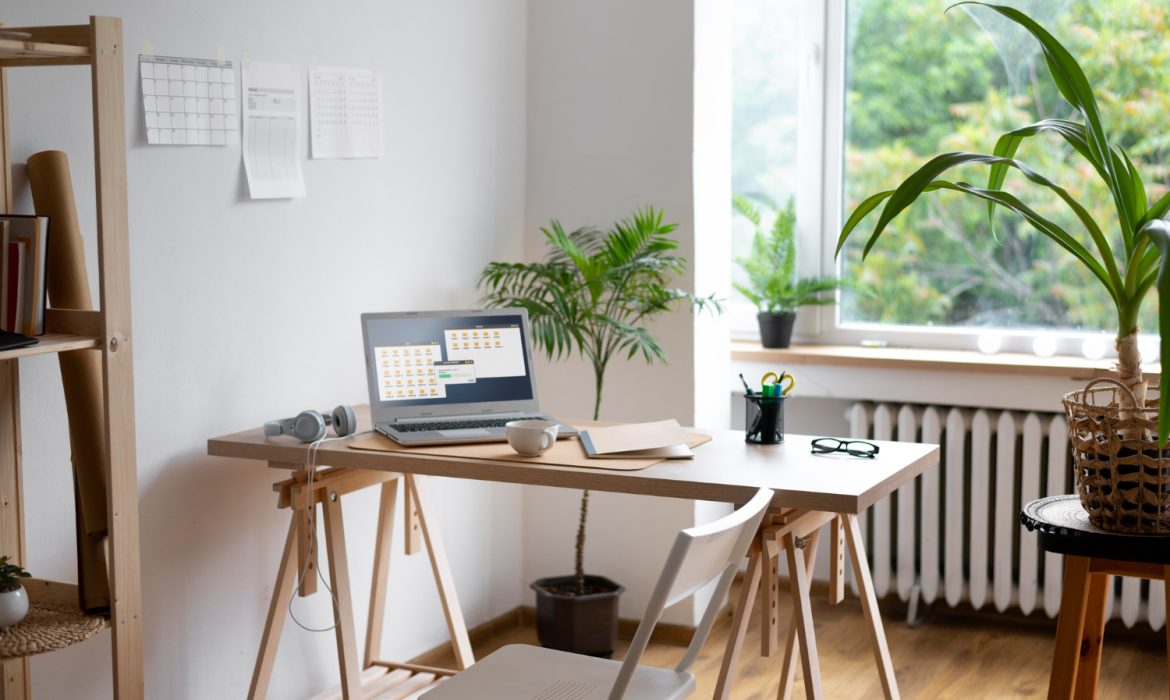
Space is something most people quietly run out of. A new baby, a growing teenager, a hobby that has taken over the spare room, or simply the creeping feeling that everyone in the house is on top of each other. You do not necessarily want to move. You just want more room.
That is exactly where a garden studio comes in. A detached, purpose-built structure that sits at the bottom of your garden and functions as a proper room, not a shed, not a glorified summerhouse, but a fully insulated, wired-up space you can actually use all year round. People use them as home offices, art studios, gyms, music rooms, playrooms, teenage dens, treatment rooms, craft spaces, and quiet retreats. The list is as long as the reasons people need more space.
But a garden studio is a real investment, and it deserves a real, honest look before you commit.
Is a Garden Studio a Good Idea?
For a lot of households, genuinely yes. Here’s why:
- You gain real space without moving house: A garden studio gives you a room you do not currently have, without the upheaval of a full extension. Most quality garden studios fall between £10,000 and £30,000. A standard house extension can easily push past £50,000.
- It works for the whole household, not just one person. Whether it is a parent who needs peace, a creative person who needs space to make a mess, a teenager who needs distance from the rest of the family, or a hobbyist whose equipment has slowly taken over the dining room, a garden studio solves the problem for almost any household.
- It can add value to your home: A well-built garden studio can increase a property’s value by 5% to 15%, depending on quality and location. Buyers see it as a bonus room with endless potential, making it a genuine selling point when the time comes.
- It adapts as your life changes: A playroom today could become a teenager’s den in five years and a peaceful retreat after that. You are not locked into one use. The studio evolves with whatever your household needs next.
- Planning permission is often not required: Under Permitted Development Rights in England, many garden buildings do not need formal planning permission, provided they meet size and height rules and are not in a restricted area.
The Downsides Worth Knowing About
No investment is without its trade-offs, and a garden studio is no different. Here are some of its downsides worth knowing about:
- The upfront cost is significant. Even at the affordable end, it is a serious outlay. Cheaper flat-pack options can look attractive on price, but they often lack proper insulation and durable materials, leading to higher running costs and a shorter lifespan. You tend to get what you pay for.
- There are rules to follow. Permitted Development has limits on height, boundary proximity, and garden coverage. If you live in a Conservation Area, near a listed building, or in parts of Scotland or Wales, the rules may be stricter. Always check with your local planning authority before you commit to anything.
- Timber needs regular care. Most studios are timber-framed, which looks great and insulates well, but wood needs treating every few years. Without it, rot and weathering can degrade your investment faster than you might expect.
- You will lose some garden. If your outdoor space is already modest, a studio will take up a meaningful portion of it. Make sure the trade-off works for everyone in your household, not just the person most excited about the idea.
Factors to Consider Before You Buy
Choosing to build a garden studio is one thing. Choosing the right one is another. There is a wide gap between a structure that serves you well for thirty years and one that starts showing its age in five, and that gap almost always comes down to how it was built.
- Construction quality above everything else. Some modern garden pods prioritise speed of installation over long-term performance, but what really determines whether a studio holds up to years of British weather is the strength of the framing and the quality of the joinery. We contacted Elfords shed and timber buildings specialists, based in Portsmouth who have been crafting made-to-order structures since 1982. They note that reinforced 75mm x 50mm framing and in-house joinery are central to keeping a building stable for decades rather than just a few seasons. With structures built entirely in their own workshop and assembled by their own team, no flat packs involved, it is the kind of craftsmanship that turns a garden room into a genuine architectural asset.
- Insulation and glazing over aesthetics. A beautiful studio that is freezing in winter and stuffy in summer will not get used. Good insulation throughout the floor, walls, and roof, combined with double-glazed windows and doors, keeps the space comfortable all year without pushing up your energy bills.
- Get the practical details right from the start. Position your studio south or south-west facing where possible to make the most of natural light. Plan your power and internet connections before the build begins, not as an afterthought. And do not overlook security; solid locks and good outdoor lighting are essential for a standalone building, particularly if you plan to store valuable equipment inside.
The Verdict: Is It Worth It?
For the right home and the right household, a garden studio is far more than a passing trend. It creates space where there was none, adds real value to your property, and tends to get used far more than people expect once it is in place.
The single biggest factor in whether it pays off long-term is build quality. A well-built, properly insulated studio on solid foundations will serve you for decades. A cheap one may look the same on day one but cost you significantly more down the line in repairs, running costs, and a lower resale value.
Think of it less as a garden building and more as an extra room. One that just happens to have a much nicer view.
